Patient Information

Plain-language guides on common colorectal and general surgical conditions — what they are, how they’re diagnosed, and what treatment looks like.

Understanding Your Condition​
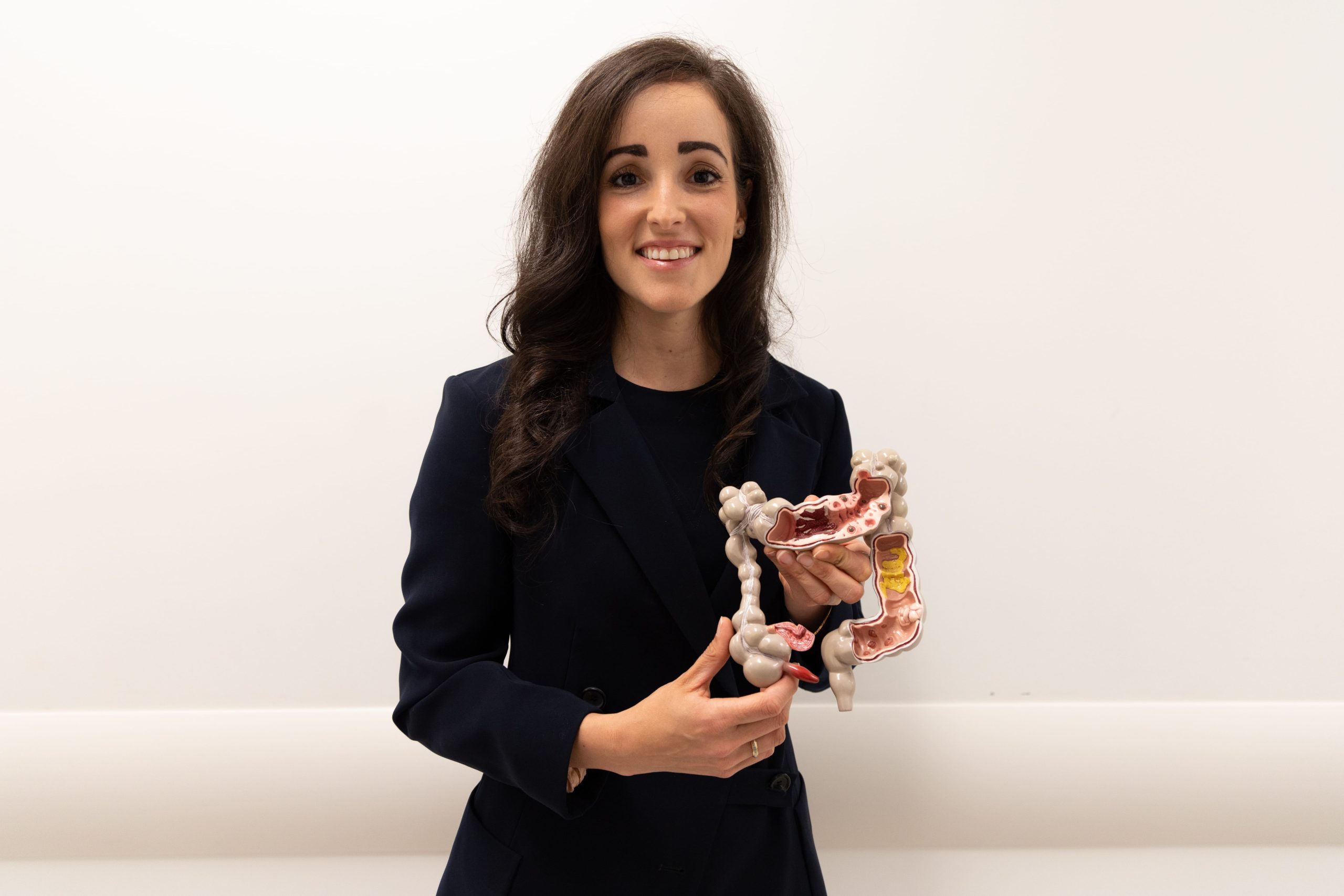
Dr Amanda Nikolic

Understanding Your Condition

There can be a lot of questions at every stage of a bowel, colorectal or surgical condition — and most of them have been asked by patients before you.

The guides below cover the conditions Dr Nikolic treats most frequently. Each provides a brief overview and links to a more detailed patient guide. This is general information only and is not a substitute for individual medical advice.

Bowel Cancer

Bowel cancer (also called colorectal cancer) develops in the lining of the large bowel and is one of the most common cancers in Australia. It often begins as small growths called polyps and may not cause symptoms in its early stages — which is why screening is so important. Symptoms can include changes in bowel habit, rectal bleeding, abdominal pain, and unexplained weight loss. Treatment often includes surgery, and outcomes are best when the cancer is found early.

Haemorrhoids & Anorectal Conditions

Anorectal conditions — including haemorrhoids, anal fissures, fistula-in-ano and perianal abscess — are problems affecting the anus and lower rectum. They are very common, often uncomfortable, and in most cases highly treatable. Many respond to conservative management, but persistent or complex conditions may benefit from specialist assessment and surgical treatment.

Anorectal Neoplasia

Anorectal neoplasia refers to abnormal cell changes in the anal canal that may, over time, develop into anal cancer. It is not cancer itself, but a condition that benefits from specialist surveillance. Certain groups — including people with a history of HPV-related conditions, those who are immunosuppressed, and people living with HIV — may be at higher risk. Dr Nikolic has a special interest in investigation and treatment of these conditions, and has visited the Homerton Anogenital Neoplasia Service, London, to learn how better to care for these patients in Queensland.

Incontinence, Prolapse & Pelvic Floor Disorders

Pelvic floor disorders affect the muscles, ligaments and tissues that support the organs in the pelvis. Common conditions include rectal prolapse, faecal incontinence and obstructed defaecation. These are more common than many people realise and can significantly affect quality of life — but they are treatable, with options ranging from physiotherapy to surgery depending on the cause and severity.

Colonoscopy & Gastroscopy

Endoscopy uses a small, flexible camera to examine the digestive tract. A colonoscopy looks at the large bowel and is used for screening, diagnosis and surveillance. A gastroscopy examines the oesophagus, stomach and upper small bowel. Both procedures are performed under light sedation as day procedures. Dr Nikolic is an accredited endoscopist who performs colonoscopy and gastroscopy at Wesley Hospital.

General Surgery

In addition to her specialist colorectal practice, Dr Nikolic manages a range of common general surgical conditions including hernias, pilonidal disease, diverticulitis, appendicitis, and bowel obstruction. She is experienced in both elective and emergency general surgery, with most procedures performed using minimally invasive keyhole (laparoscopic or robotic) techniques.

Uterus

Bowel Endometriosis

Endometriosis may affect the bowel and cause symptoms such as pain, bloating, changes in bowel habit, or rectal bleeding. Dr Nikolic works with gynaecologists to perform surgery to remove endometriosis from the bowel, free up bowel that has become stuck to the uterus or ovaries, and help make further gynaecological surgery safer. The type of surgery recommended will depend on where the endometriosis is, symptoms, and how deeply it has grown.

Robotic Surgery​

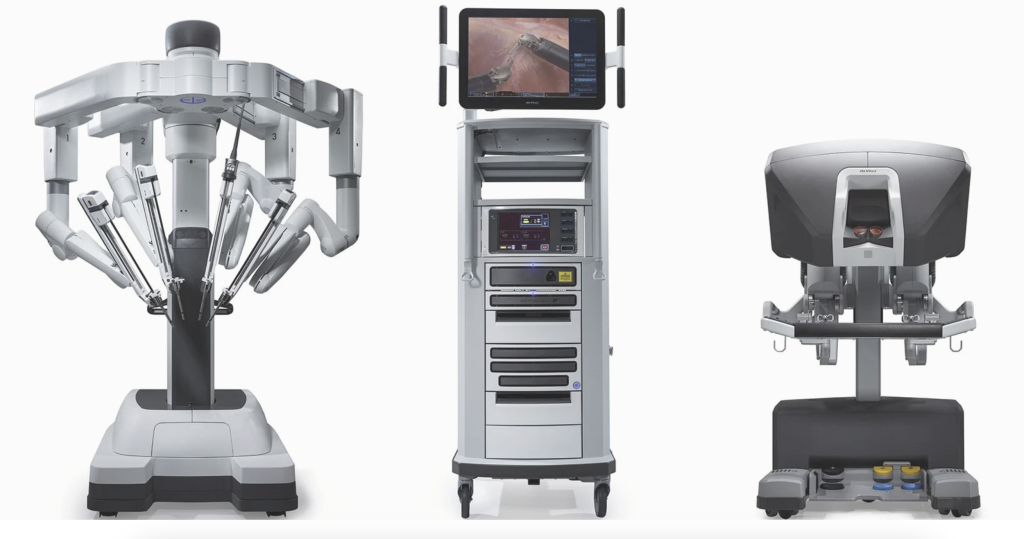
Robotic surgery offers several advantages over traditional laparoscopic surgery. These include 3D vision, magnification, scaling of movements, and the ability to overlay imaging techniques onto the surgical screen.


Dr. Nikolic completely controls the robotic movements, which allows precise surgery to be performed. Several recent publications support robotic surgery for colorectal operations and show reduced blood loss, shorter hospital stays, and faster recovery.


Please feel free to discuss at your appointment whether robotic surgery is suitable for your procedure.

Patient Education Resources

The resources below are from recognised Australian and international organisations and provide further reading on common colorectal and surgical conditions.

Have questions about your condition or treatment?

Dr Nikolic and her team are here to help.